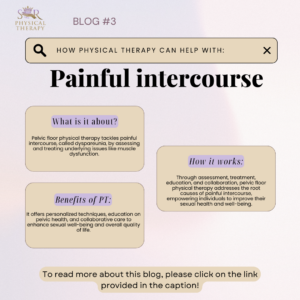
Experiencing pain during intercourse can significantly impact one’s physical and emotional well-being, often leading to relationship strain and decreased sexual satisfaction. Pelvic floor physical therapy offers a comprehensive approach to addressing and managing painful intercourse, also known as dyspareunia.
1. Comprehensive Assessment: Our pelvic floor physical therapists conduct a thorough evaluation to identify the underlying factors contributing to painful intercourse. This assessment may include a review of medical history, pelvic floor muscle function evaluation, assessment of pelvic alignment, and examination of musculoskeletal imbalances.
2. Muscle Dysfunction Identification: Pelvic floor muscle dysfunction is a common contributor to painful intercourse. Tight, tense, or overactive pelvic floor muscles can result in discomfort and difficulty with penetration. Conversely, weak or underactive pelvic floor muscles may lead to inadequate support and increased vulnerability to pain.
Example: For individuals experiencing tight pelvic floor muscles, our therapists utilize manual techniques such as myofascial release and trigger point therapy to reduce muscle tension and promote relaxation. Conversely, for those with weak pelvic floor muscles, targeted exercises such as Kegels and pelvic floor strengthening techniques are prescribed to improve muscle tone and support.
3. Education and Self-Care: Understanding the factors contributing to painful intercourse is essential for effective management. Our therapists provide education on pelvic anatomy, sexual health, and relaxation techniques to empower individuals to take an active role in their care. Techniques such as diaphragmatic breathing, progressive muscle relaxation, and mindfulness practices can help reduce anxiety and tension, enhancing comfort during intercourse.
Example: We may educate individuals on the importance of communication with their partner, exploring different positions or techniques that alleviate discomfort. Additionally, providing guidance on lubricant selection and usage can enhance comfort and reduce friction during intercourse.
4. Behavioral Modifications:
Certain behaviors and habits can exacerbate pain during intercourse. Our therapists work with individuals to identify and modify these factors, promoting a more comfortable and enjoyable sexual experience. This may include addressing anxiety or fear related to intercourse, modifying sexual activities to reduce pressure on sensitive areas, and incorporating relaxation techniques into intimate moments.
Example: We may recommend gradual desensitization exercises to help individuals overcome fear or anticipation of pain during intercourse. This involves gradually introducing penetrative activities in a controlled and comfortable environment, allowing individuals to build confidence and trust in their bodies.
5. Collaborative Approach: We recognize that addressing painful intercourse may require a multidisciplinary approach. Our therapists collaborate with other healthcare providers, such as gynecologists, urologists, and mental health professionals, to ensure comprehensive care tailored to individual needs.
By addressing the underlying causes of painful intercourse and providing personalized interventions, pelvic floor physical therapy offers hope and relief for individuals seeking to improve their sexual health and overall quality of life.